
Currently Empty: $0.00
Metallography
- Home
- Metallography
METALLOGRAPHY
Metallography cross-sectioning is a critical process used in the examination of electronic components such as diodes, capacitors, and silicon dies. This method allows for an in-depth look into a device’s internal structure, revealing its materials and design intricacies. It is particularly valuable for identifying defects that are not detectable through conventional testing techniques, offering a unique insight into the component’s integrity.
At Ceratech, we’ve taken this process a step further by developing a comprehensive approach that not only determines the presence of defects in a component but also delves into the root causes of these failures. Our aim is to thoroughly understand the underlying issues that lead to component failure, which is essential for assigning responsibility and implementing corrective measures. By doing so, we not only address the immediate concerns but also put in place preventive measures to avoid the recurrence of similar problems in the future, ensuring higher reliability and performance of the components we provide.
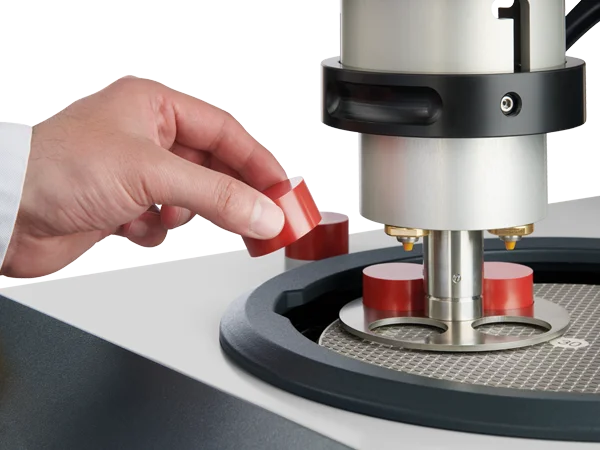
Cross-sectioning generally involves three discrete steps: mounting the sample in a block of epoxy resin to form the specimen, grinding or cutting the specimen and finally polishing the surface so exposed.
MOUNTING
To maintain the integrity of the sample and its internal components throughout the sectioning process, to secure the sample during grinding and polishing, and to facilitate easy placement of the sample on the microscope stage for analysis.
GRINDING
Grinding aims to expediently access a wide area of interest, setting the stage for precise examination through slower, more meticulous polishing methods within a manageable timeframe. This process involves utilizing silicon carbide paper discs affixed to horizontal rotating wheels, with a steady stream of water employed to cool and cleanse the wheels.
poLISHING
The goal of polishing is to remove the surface scratches incurred during grinding, while preserving the features of the sectioned sample so they remain unaltered, ensuring an accurate representation is available for detailed visual examination.
Following fine polishing, the samples undergo microscopic examination with a compound microscope equipped with vertical illumination. This step is crucial for detecting, identifying, and characterizing defects that meet the criteria for rejection.
The effectiveness of a cross-sectional analysis significantly depends on the inspector’s proficiency in spotting and diagnosing issues and deviations in the products. A deep understanding of the technologies being inspected, familiarity with the standards for acceptance, and accumulated expertise are essential for conducting a thorough and accurate assessment.